

Introduction:
The solenoid valve also referred to as a magnetic valve is a modern electromechanical appliance that allows the stream of liquids or gases to be controlled using an electric fluctuation. With the passage of electricity through its coil, this creates a magnetic field which opens or closes the valve upon opening the fluid control is quick, precise, and fully automated. Magnetic valves are also popular products in industrial automotive household and health care because of their great reliability, low maintenance and performance. Since they can work well with sensors and digital controllers they are an essential element in the sophisticated intelligent and energy-efficient technologies.
What Is a Magnetic Valve?
A solenoid valve, also known as a magnetic valve, is an electrically operated piece of equipment which operates using a magnetic field to either open or close the flow of liquids or gases within a system. Electric current as it passes through its coil produces magnetism in that coil and this magnetism pushes an internal plunger so that the valve can automatically control the flow accordingly. This renders magnetic valves quick dependable and suitable to the present day machines automotive and industry systems too where automated and accurate control of fluids is needed.
Working Principle of Magnetic Valve
A magnetic valve has a working principle which is founded on the conversion of electrical energy into magnetic force to regulate the flow of fluids. Passage of an electric current through the coil of solenoid produces a magnetic field which draws an internal metal plunger towards the upward direction. This motion either opens or closes the passage of the valve permitting or preventing the liquid or gas to flow. On the turn-off the current causes the plunger to move to the initial position by the action of a spring flipping the flow condition. It is a very basic but effective mechanism that allows fast accurate and automatic control in the current systems.
Electromagnet formation
In circumstances whereby the electric current is conducted through the solenoid coil it behaves as an electromagnet. This is a very strong magnetic field that can cause internal metal components of the valve to move.
Magnetic field + plunger movement
The plunger is a metal that is pulled either up or down by the magnetic field (depending on design). It is the movement that is the important action to control the valve.
Valve open/close mechanism
The movement of the plunge either opens some small passage through which fluid or gas can flow or closes the passage thereby preventing it.
Current flow ka impact
Greater current intensity = greater magnetic field intensity = greater plunger velocity.
No current = magnetic field disappears and the spring re-positions the plunger to its rest point reversing the state of the valve.
Key Components of a Magnetic Valve
The magnetic valve consists of a few significant parts combined to regulate the flow of fluid. The solenoid coil is the core of the valve and it is the one that produces a magnetic field when current is passed through the coil. The coil contains a plunger or armature which is a moving rod of metal that moves with the magnetic field. The spring so that when the spring is disconnected the plunger is restored to its starting position. The inlet and outlet passages where the fluid flows are housed in the valve body and the actual outlet that allows the fluid to flow out through is the orifice when the valve is activated. Aids such as seals, gaskets and connectors are to aid in avoiding leakage and proper stable functioning in varied conditions.
Types of Magnetic Valves
Two-Way Magnetic Valve
This is the most widespread one and is made with an inlet and outlet. It merely opens or closes the flow and is therefore perfect in simple ON/OFF fluid control of industrial mechanical and household applications.
Normally Closed Valve
In this type the valve remains in its natural position as it remains closed. It is only opened when electric current is applied to it which is why it is ideal in safety oriented and precise and automated control systems.
Solenoid Valve which is operated by a pilot.
This valve works with the help of a magnetic force and system pressure. It is very effective in the control of high pressure and high flow applications like pumps, compressor, and HVAC.
Physics Behind Magnetic Valves
The magnetic valves are based on the principle of electromagnetism. As electric current is passed through the solenoid coil it generates a magnetic field in accordance with the Ampere Law. This magnetic field exerts a force of attraction to the metal plunger within the valve forcing it to move. Movement of the plunger opens or closes the fluid passage that enables the flow of liquid or gas to be controlled with great precision. When dealing with modern day magnetic valves power is dependent on the current coil turns and what the core is made of and this is why this magnetic valve is sensitive and responsive.
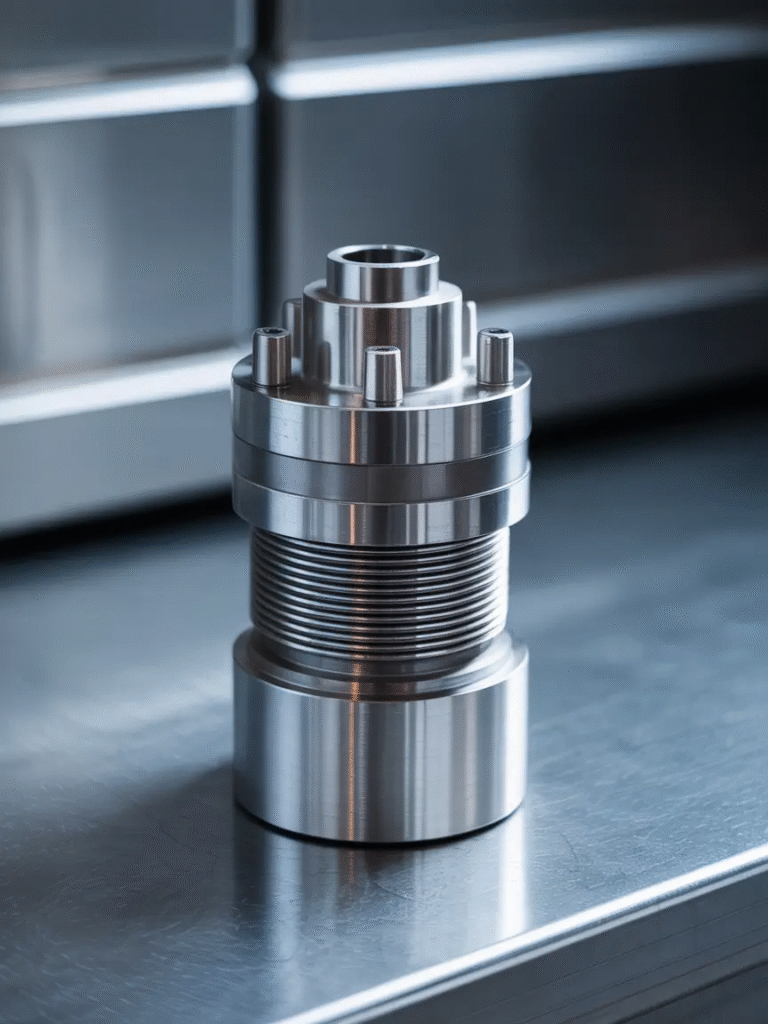
Applications of Magnetic Valves
Magnetic valves are commonly used in various applications that require automatic and precise control of fluids such as liquids or gases. In industrial settings they manage the flow of water, oil steam and air in processes related to manufacturing chemical production and automation systems. In automotive applications magnetic valves are involved in controlling fuel injection emission control systems and other engine functions to ensure optimal performance. Electric units for household chores such as washing machines, dishwashers and air conditioning units employ magnetic valves to control the opening and closing of the flow from water or refrigerants. In addition g-d devices operate them for managing the flow of oxygen or various gases and fluids. Their quick response time and reliable operation make them critical components in a wide range of modern mechanical and electronic systems.
Advantages of Magnetic Valves
Magnetic valves are often associated with fast and precise actuation, high reliability and maintenance-free operation. They can be switched instantly by applying a small electric current which allows for precise control in fully automated systems. Magnetic valves are used in a wide variety of applications including industrial automation automotive systems and household appliances. Their simple design means that they require little or no maintenance and can provide high reliability even after millions of cycles in continuous operation. In addition magnetic valves are energy-efficient compatible with various sensors and electronic control units and can operate over a wide range of pressures and temperatures. These advantages make magnetic valves the preferred choice for modern fluid-control applications that require smart, safe and efficient operation.
Limitations of Magnetic Valves
Magnetic valves have some limitations.They require electrical power to operate making them inoperative without an external power source including backup systems during a power failure. Dirty or contaminated fluids may impair performance by clogging internal components. High temperatures may reduce coil efficiency or even lead to overheating. These valves may also be impractical for extremely high-viscosity fluids that require significant mechanical force. The strength of the magnetic field further limits the maximum operating pressure of the valve making magnetic valves less suitable for ultra high-pressure applications. Despite these limitations they are still very effective for most controlled-flow systems.
Future of Magnetic Valve Technology
Magnetic valve technology is moving towards greater intelligence, higher speed and enhanced energy efficiency. The convergence of the Internet of Things and automation is increasing the use of advanced sensors and digital controllers in magnetic valves for real-time monitoring and accurate control. High-performance alloys and heat-resistant composites are new materials that improve durability while reducing energy loss. Miniaturized designs of solenoids enable the production of lighter more efficient valves used in medical automotive and robotic applications. Furthermore advancements in low-power electronics and magnetic optimization allow for developing valves that consume less electricity to operate with better accuracy. As industries seek smarter and greener systems magnetic valves will continue evolving into more intelligent, reliable and eco-friendly components.

